

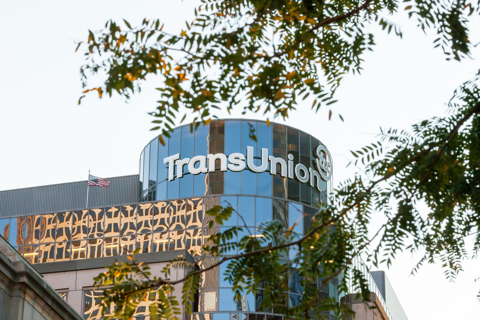

TransUnion

TransUnion Leadership & Management
TransUnion's Candidate Tradeoffs
If you’re weighing whether TransUnion is the right fit, these are the core tradeoffs to consider.
- TransUnion emphasizes managers developed through formal training to ensure consistency and strong leadership fundamentals, though that approach prioritizes standardized management practices over highly individualized styles.
TransUnion Employee Reviews

What People Are Saying About TransUnion
-
Strategic Vision & Planning: Leadership repeatedly outlines a coherent roadmap centered on AI and the OneTru platform across four solution engines (Credit, Marketing, Fraud, Consumer), reinforced at the March 2026 Investor Day and the April 28, 2026 Q1 release. Messaging ties growth priorities, margin ambitions, capital allocation, and platform enablement into a unified direction.
-
Purposeful Goal Setting: Management reintroduced medium‑term yardsticks—high‑single‑digit organic growth, ~50 bps annual adjusted EBITDA margin expansion, and low‑to‑mid‑teens adjusted EPS growth—providing concrete markers for execution. These targets are echoed across formal disclosures, signaling clarity on what success should look like.
-
Resource Support: Plans emphasize robust free cash flow (~$3B expected 2026–2028), deleveraging toward an investment‑grade profile, disciplined bolt‑on M&A, and returns of capital. Clear ownership of key levers on the investor site further links resources and accountability to the strategy.
TransUnion's Benefits
Defined policies promoting a professional, respectful workplace
Defined values and mission statements
Documented policies and procedures to protect employee privacy and data
Hosts in-person all-hands meetings
Implements team-based strategic planning
Leadership encourages open, transparent debate
Open office floor plan to encourage communication and collaboration
Prioritizes mission-driven work in decision-making processes
Prioritizes real-world impact of work in decision-making processes
Promotes a people-first, social culture
Structured meetings with built in breaks (25 minute or 50 minute meetings)
Uses an OKR operational model to clearly define goals and priorities
Utilizes an open door policy that encourages accessibility
